A Lesson in Smile Engineering
A removable denture can help when some or all teeth are missing. It supports you when eating, speaking and smiling. But no two mouths are the same. That is exactly why the design of the denture and the close collaboration between the dentist and the dental laboratory are so important.
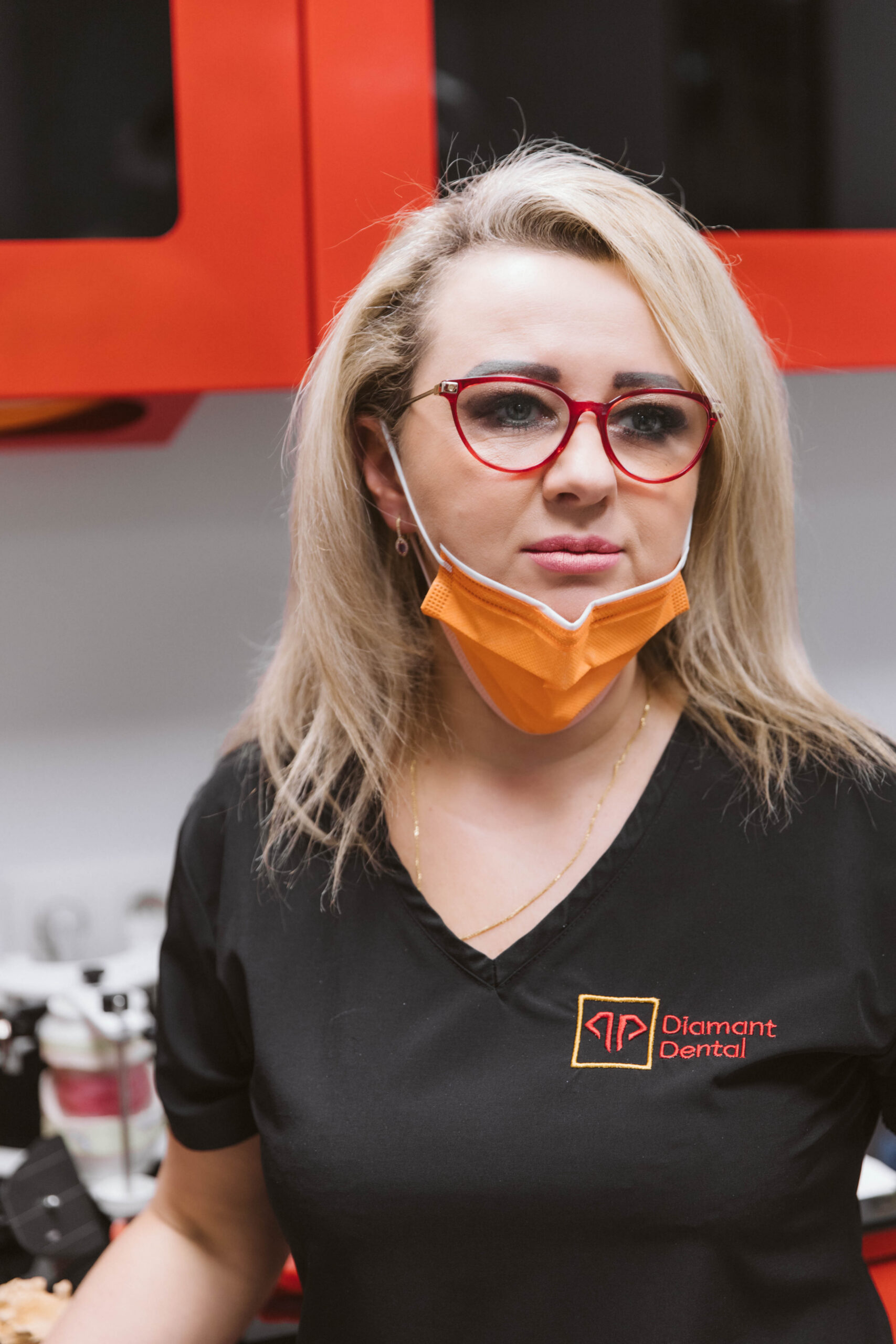
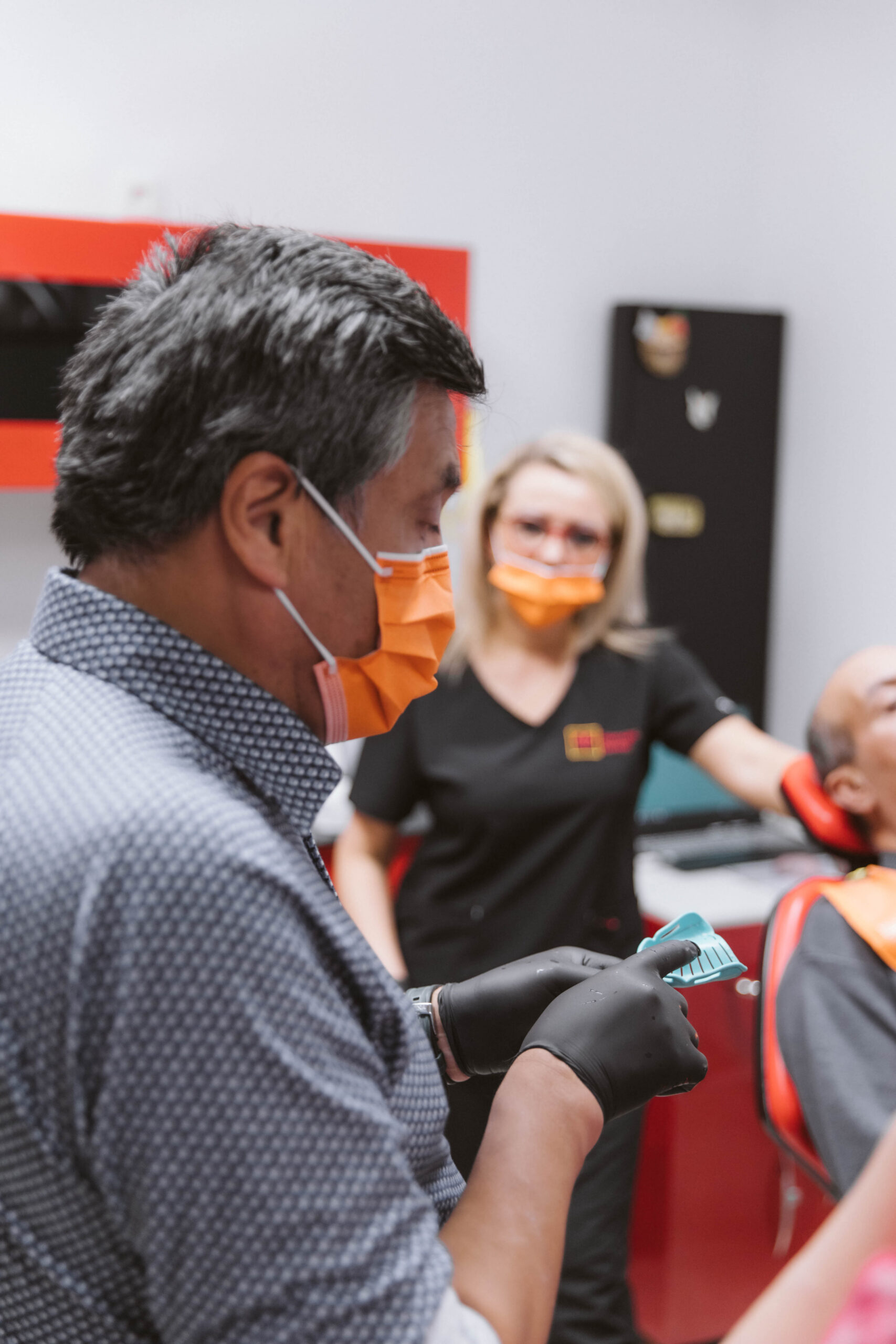
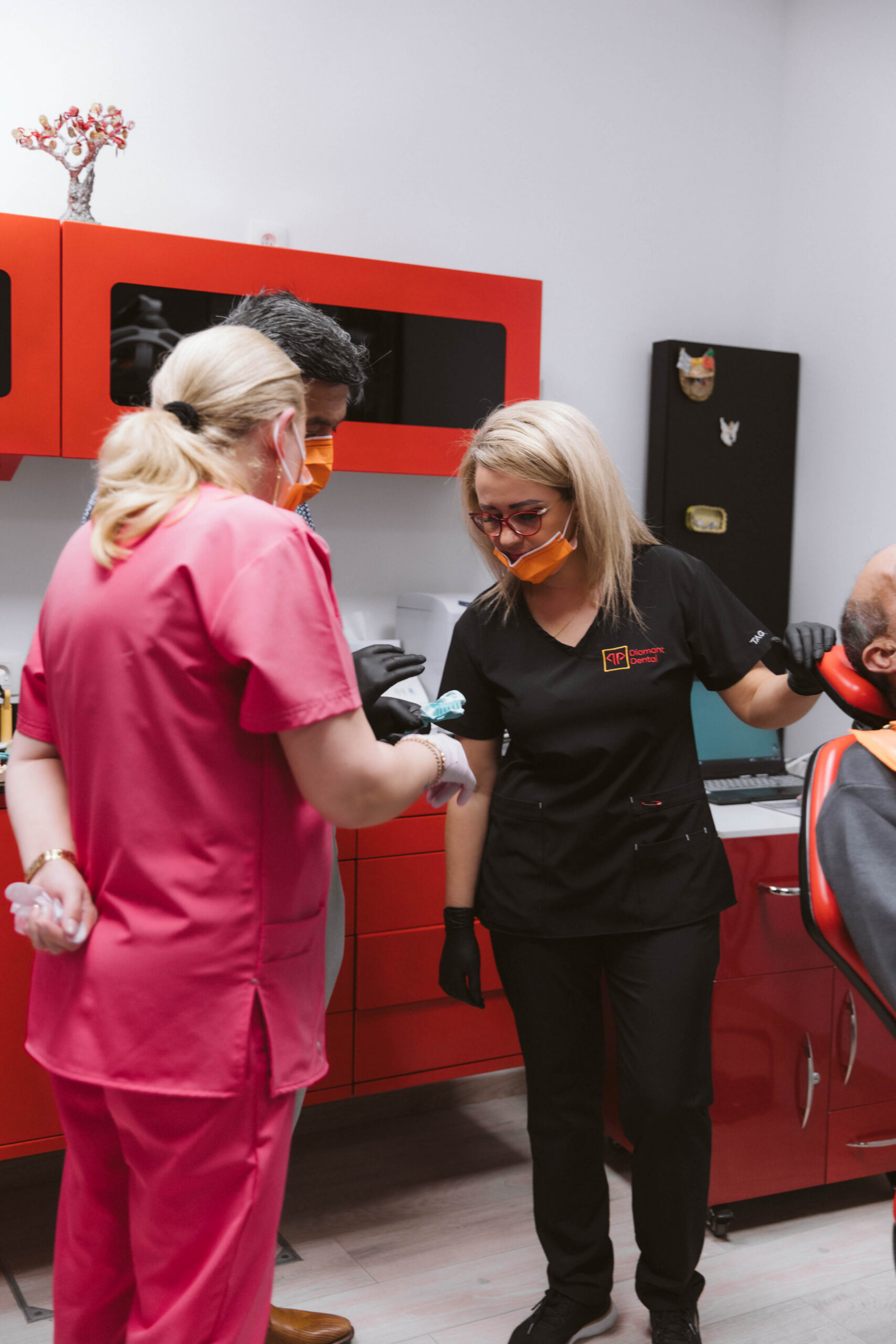
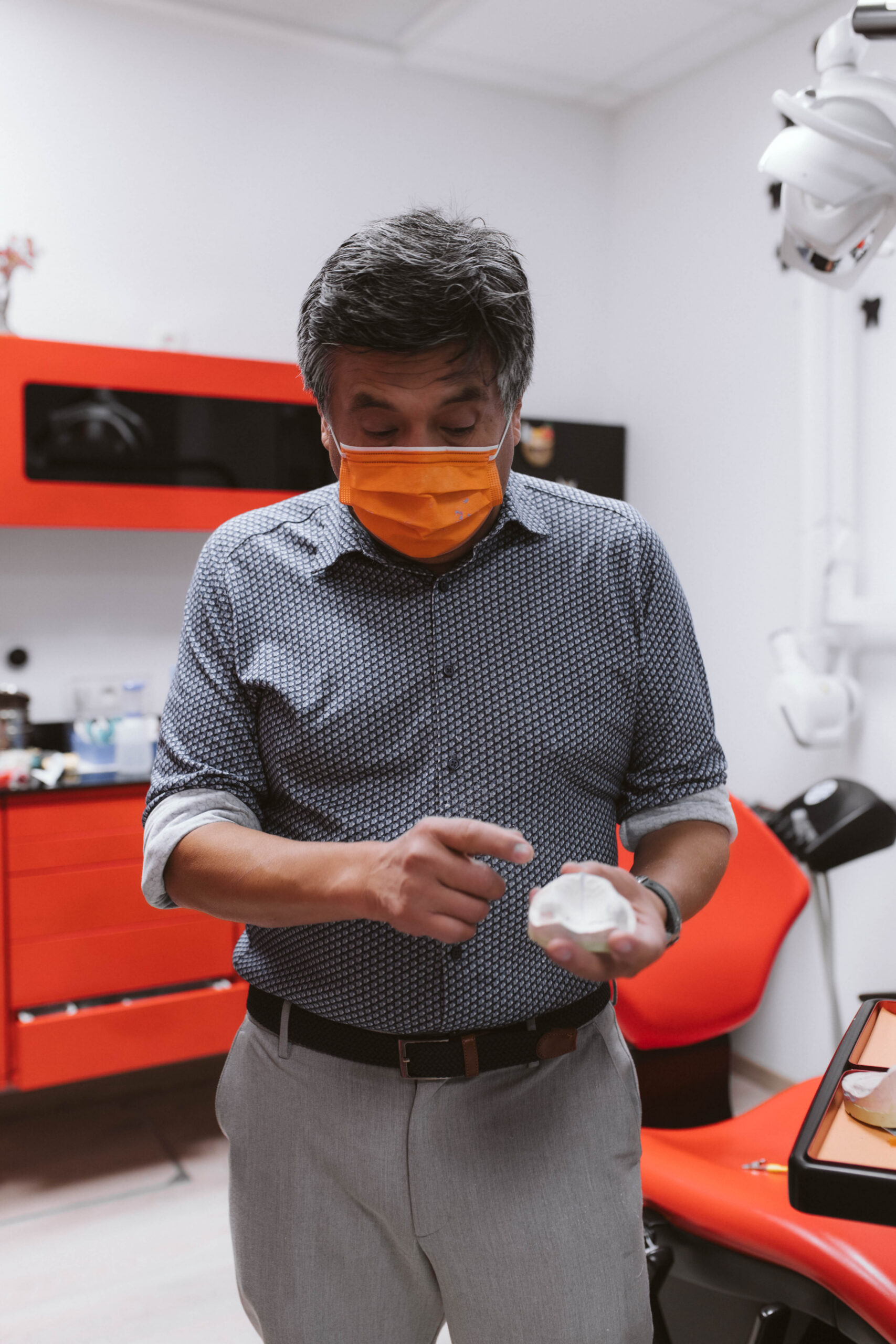
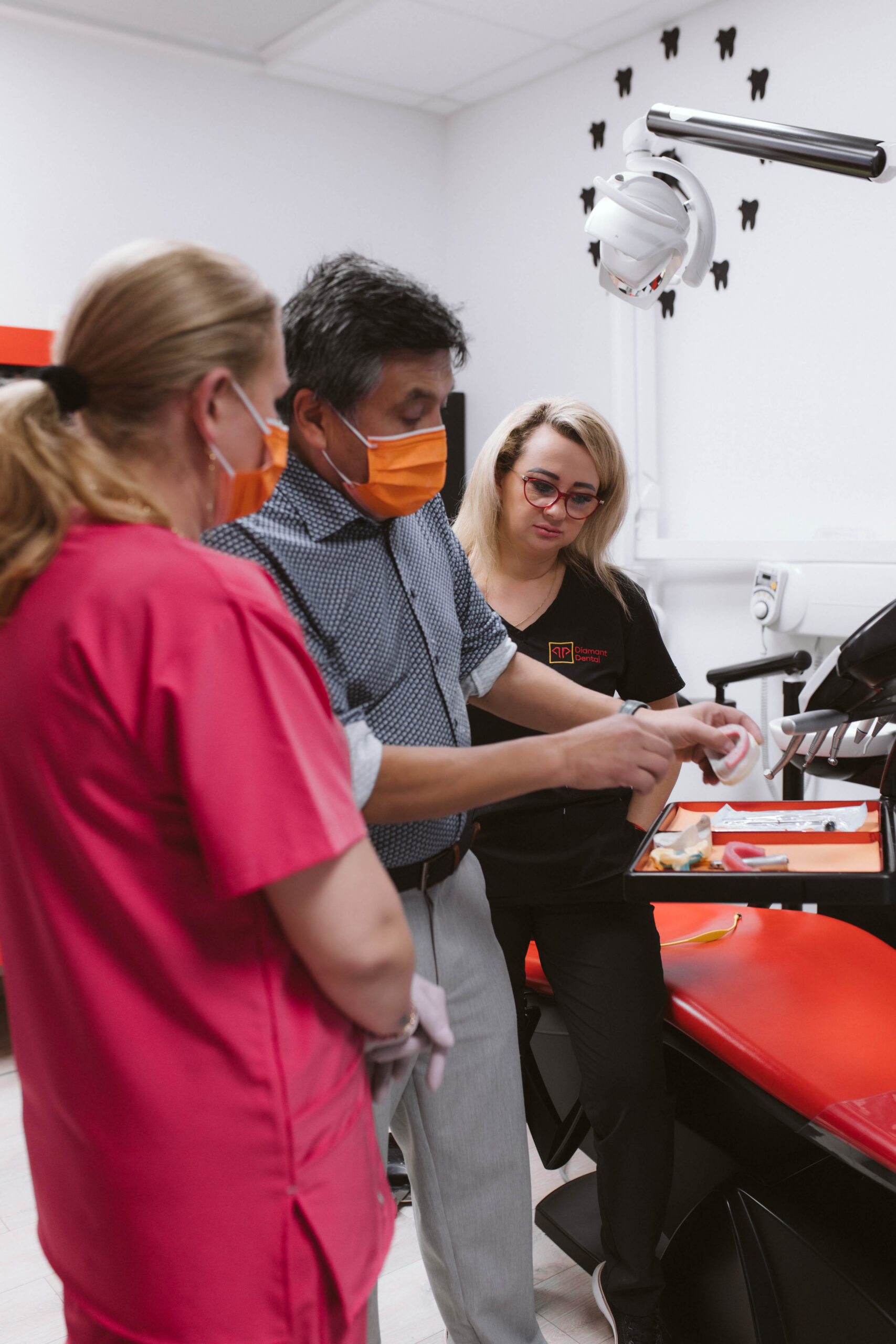
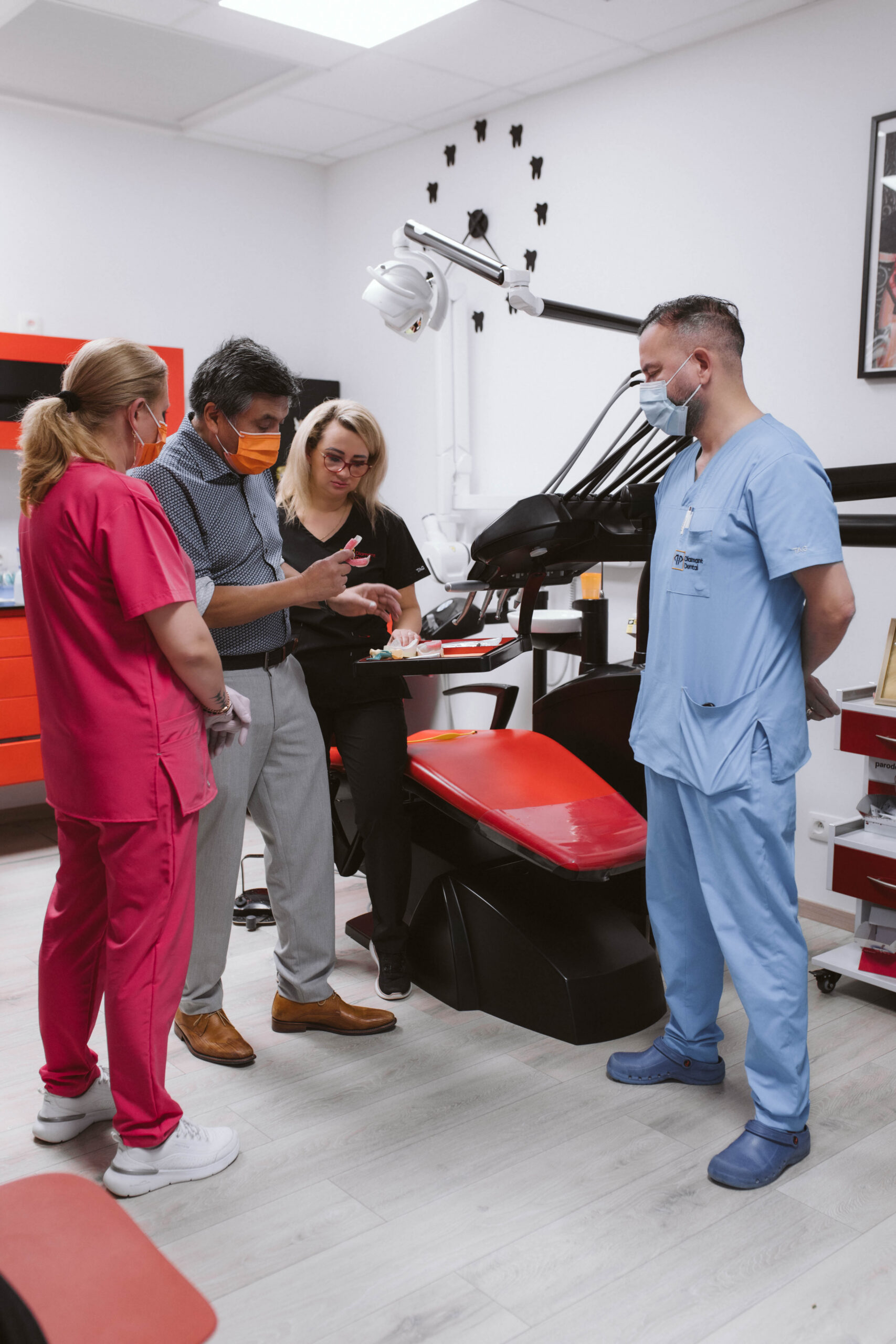
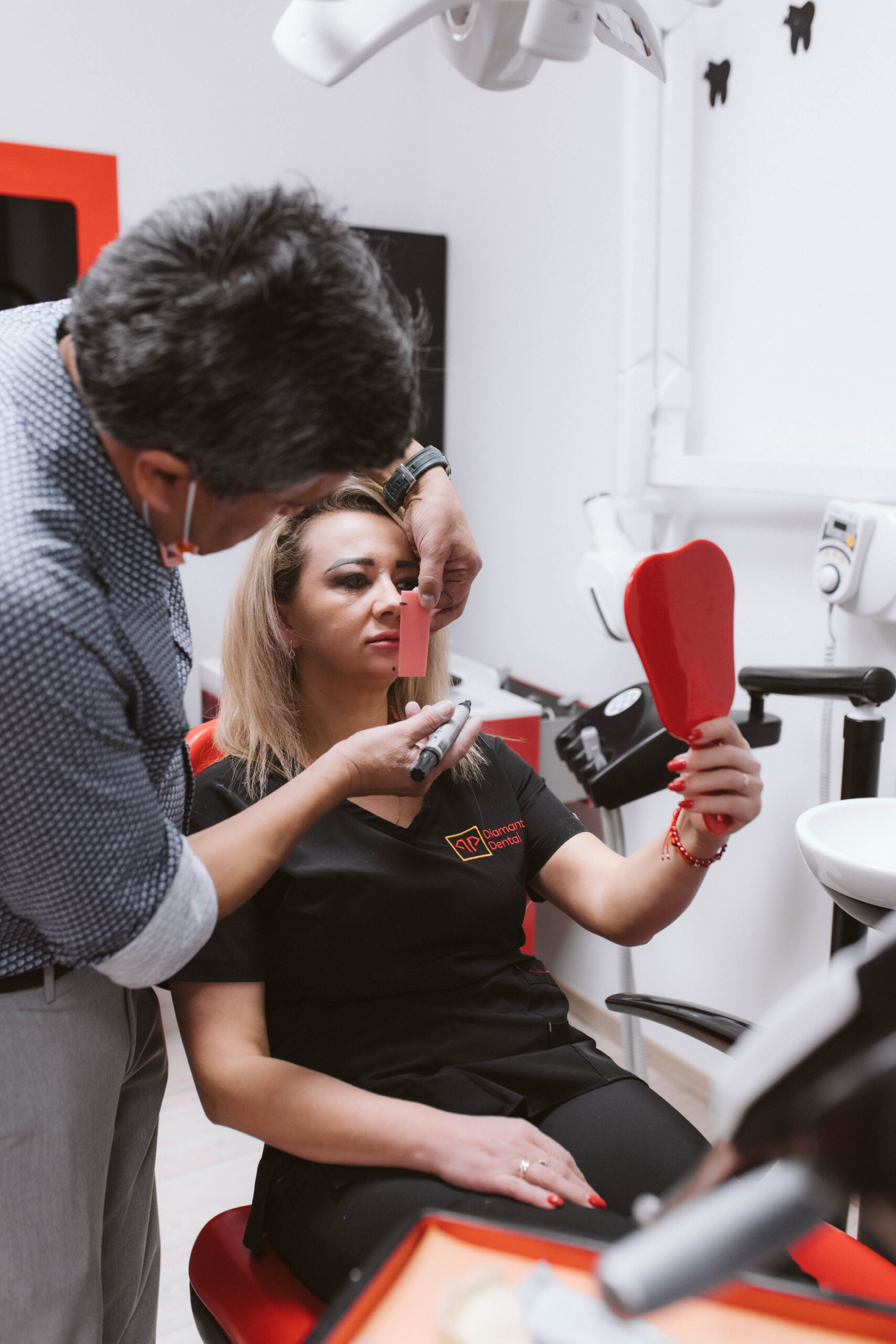
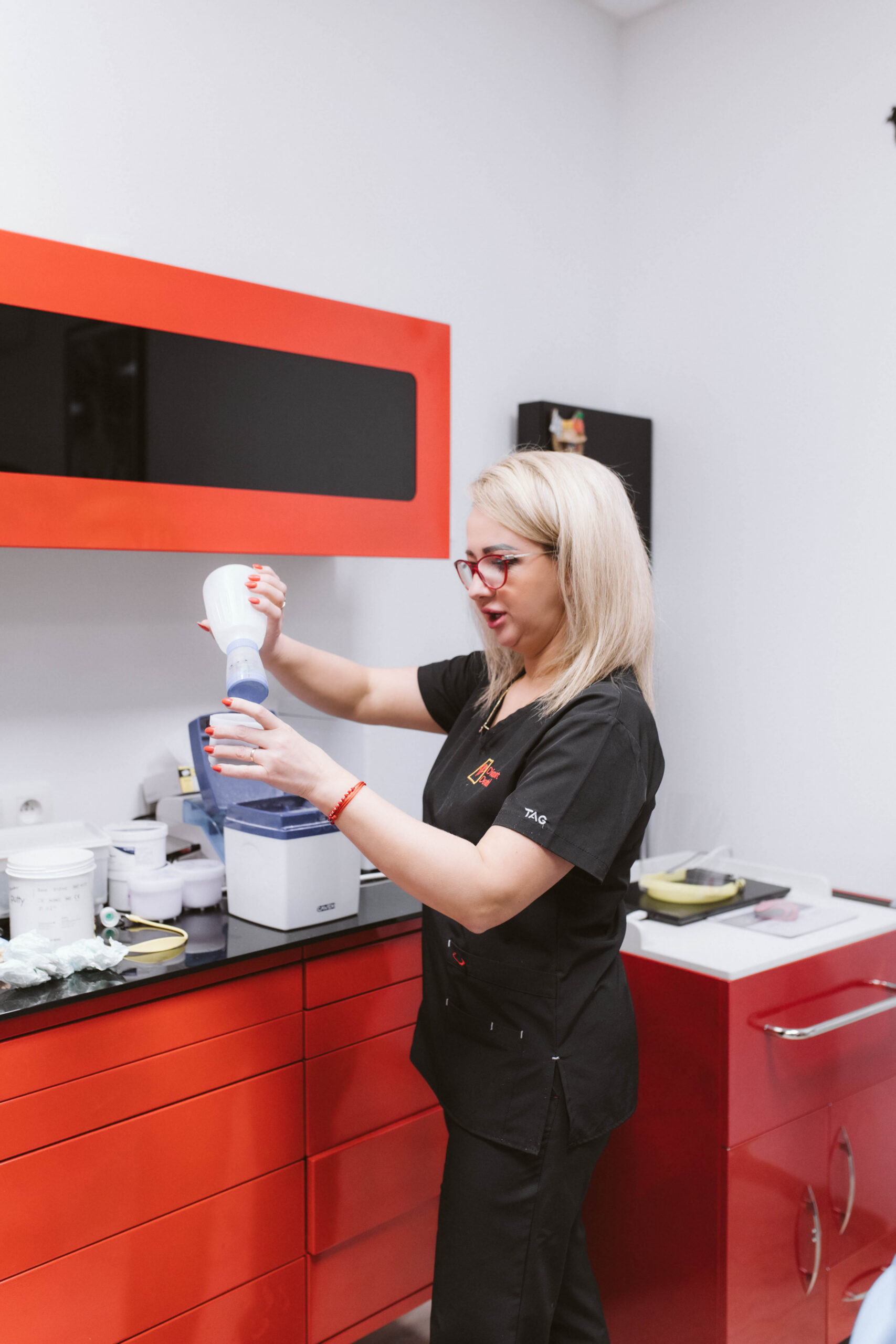
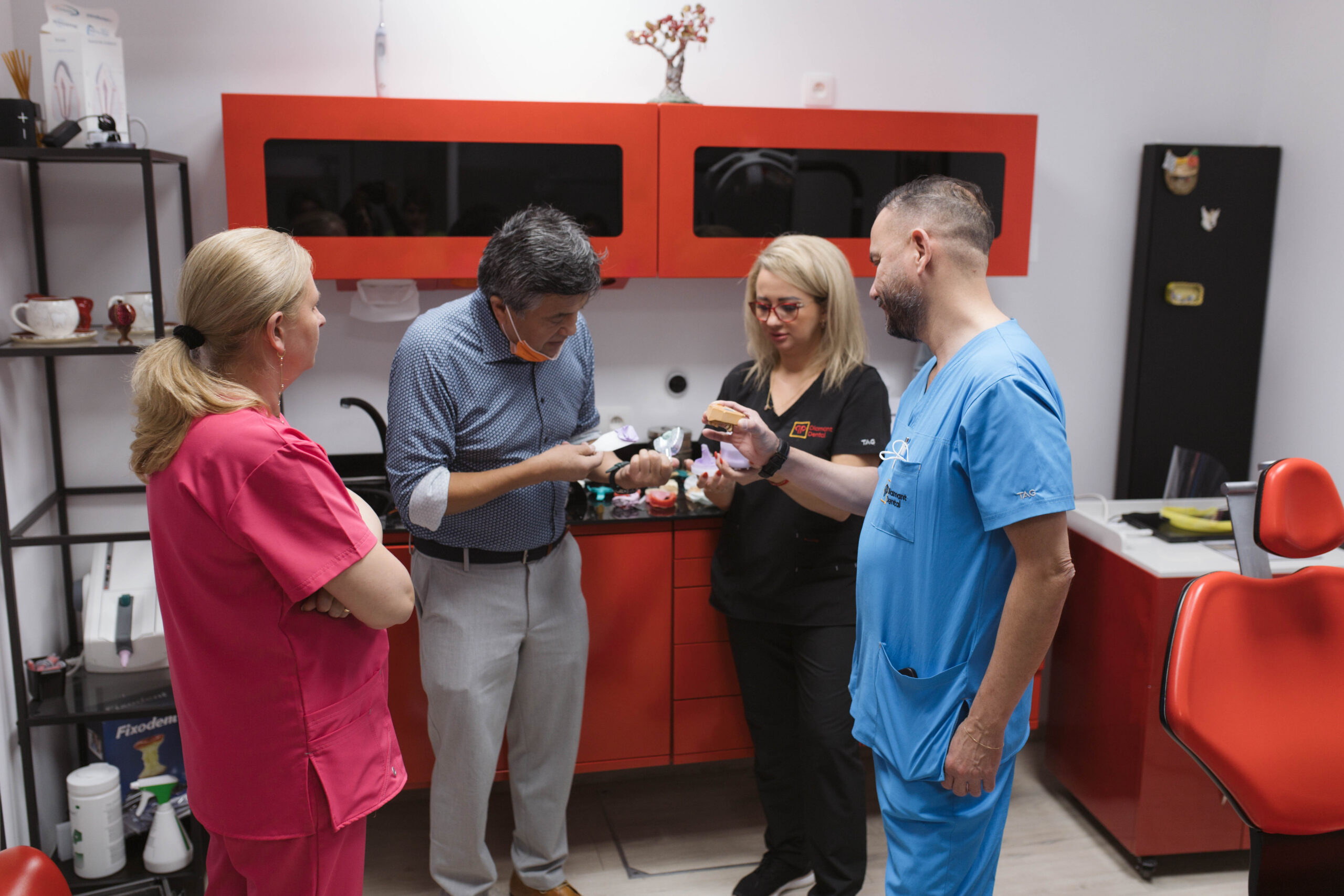
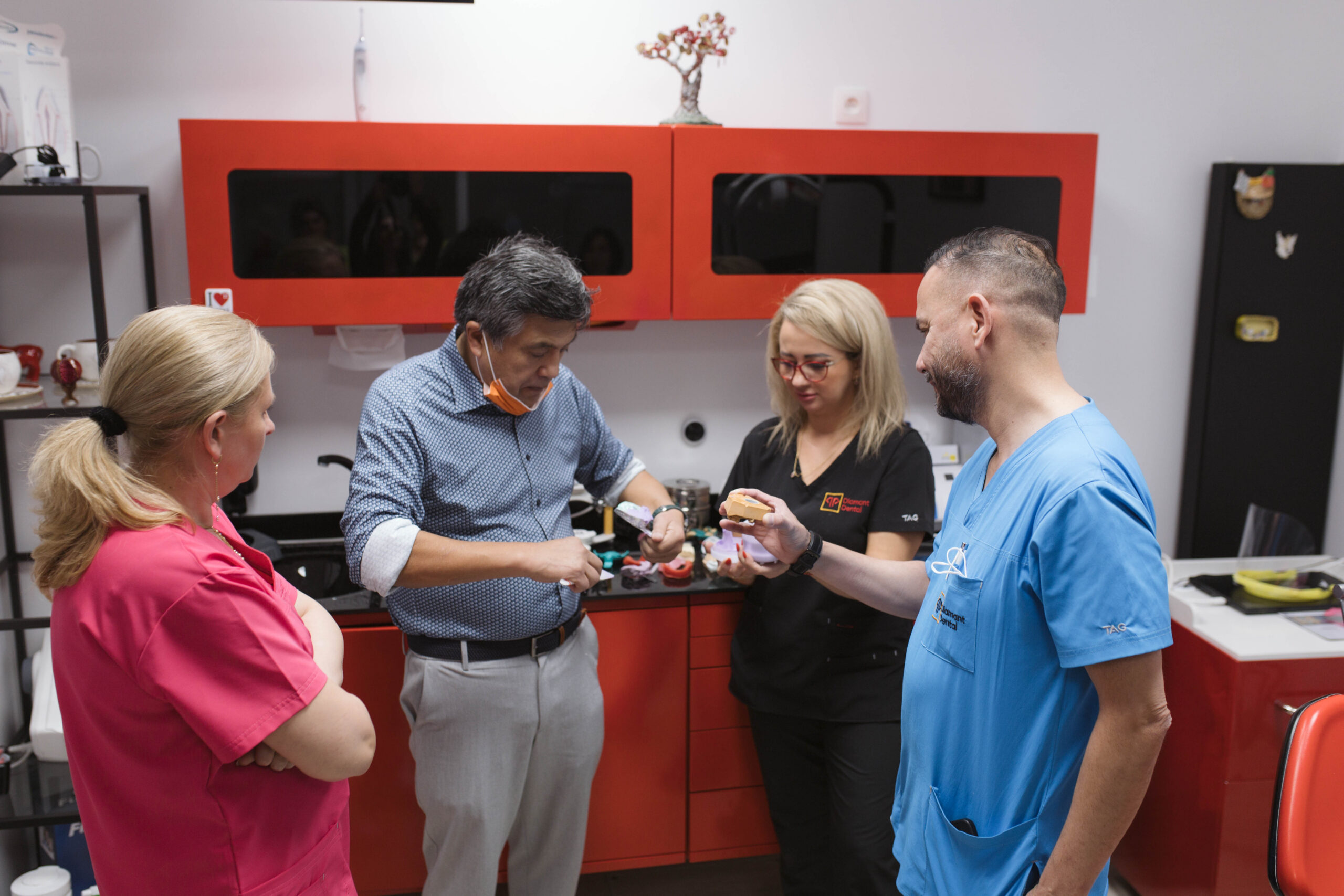
At Diamant Dental, we organised an internal training session with Carlos Cabrejos from Labo Massa. He guided our team through the basics of traditional removable dentures. Explained simply, but with a clear focus on what you, as a patient, actually experience.

What Is a Traditional Removable Denture?
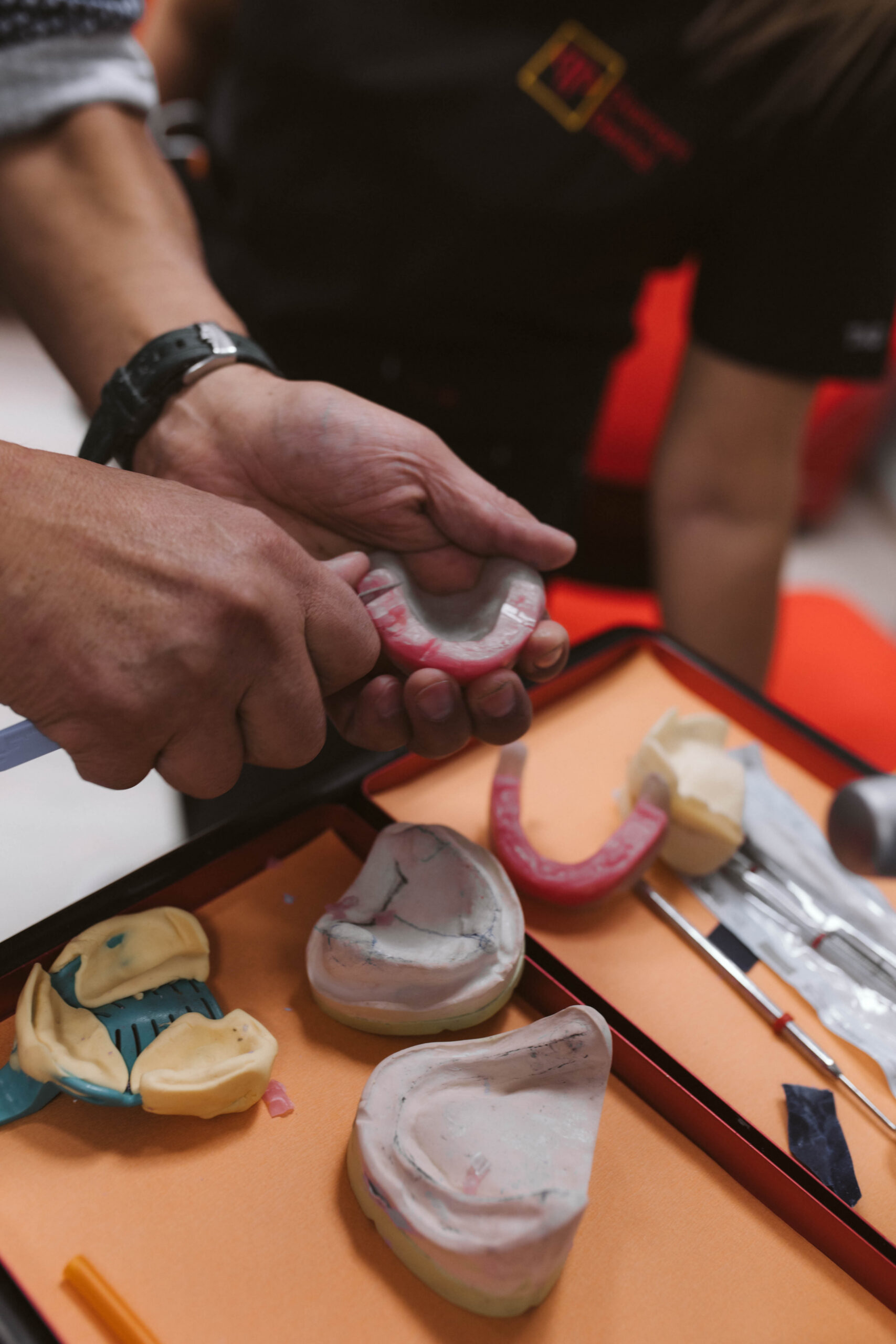
A traditional removable denture usually consists of two main components:
- An acrylic resin base (plastic)
This provides support and stability. - Denture teeth made of composite or porcelain
The choice depends on your individual oral situation and the most suitable technical solution.
The goal: function + appearance. Being able to chew comfortably while having a smile that naturally suits your face.
Why Does the Design Make Such a Difference?
A denture is not a standard, one-size-fits-all product. Small differences can have a big impact on how it feels.
A well-designed denture can help with:
- Comfort when chewing – a more stable bite and less movement
- Speech – making the adjustment period easier
- Fewer pressure points – reducing painful or uncomfortable areas
- A natural appearance – with the shape, colour and position of the teeth adapted to your mouth

What Did We Take Away from the Session?
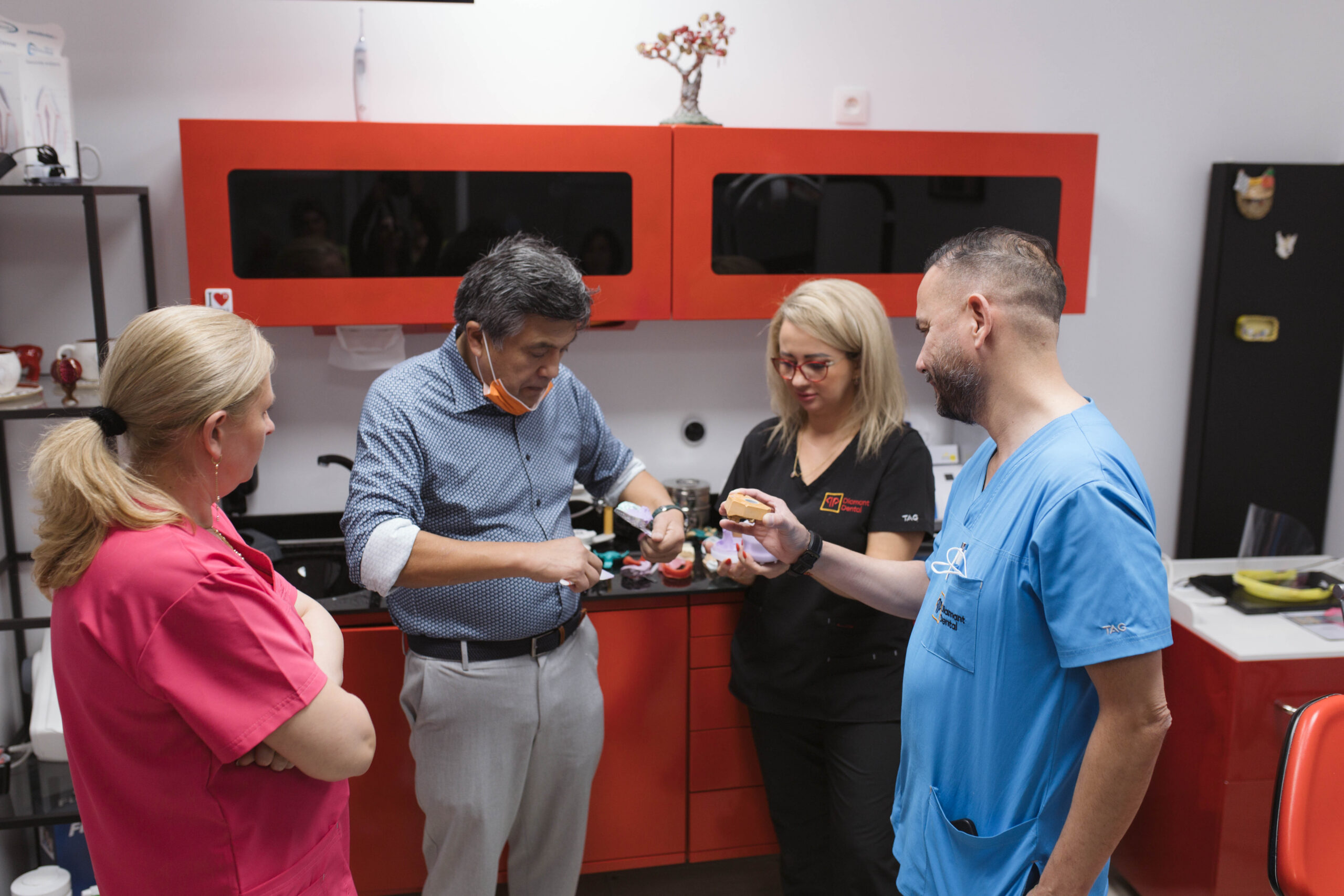
The key message was clear: quality improves when the dental clinic and laboratory work closely together.
That is why we continue to focus on:
- Clear information for the dental laboratory
Good communication and clear agreements help create a more predictable treatment process. - Considering function and aesthetics together
It is not simply about “making teeth”. It is about how you eat, speak and smile with your denture. - Starting with a good conversation
What are your expectations? What bothers you? What would you most like to improve? Understanding these points helps us create a realistic treatment plan.
Frequently Asked Questions About Dentures
1. Is getting a denture painful?
No. We take impressions or a digital scan of your mouth. During the fitting stages, adjustments can be made to improve comfort.
2. How long does the process take?
Several appointments are usually required, including impressions or scans, fittings and the final placement. The process generally takes a few weeks, depending on your individual situation.
3. How does a denture stay securely in place?
A good fit is the foundation of a stable denture. If you notice that your denture has become loose, visit us for a check-up and adjustment.
4. What should I do if my denture hurts?
A short adjustment period can be normal at the beginning. Painful pressure points are not. If you experience discomfort, make an appointment so we can adjust the denture.
5. How should I clean my denture?
Clean your denture daily using a denture brush and lukewarm water. Do not use toothpaste. Store the denture in water overnight.
6. How often should I come for a check-up?
At least once a year. This allows us to check the fit of your denture, signs of wear and your overall oral health.
7. When should a denture be replaced?
Your mouth changes over time. If the fit or bite is no longer correct, we will assess whether the denture can be adjusted or should be replaced.
Questions About a New or Existing Denture?
Does your denture no longer fit properly? Or are you unsure about your options? Bring your questions to your appointment. We will assess your oral situation and clearly explain the possible next steps.
Would you like practical tips and clear, easy-to-understand information about dentures and oral care? Follow Diamant Dental on Facebook and Instagram.