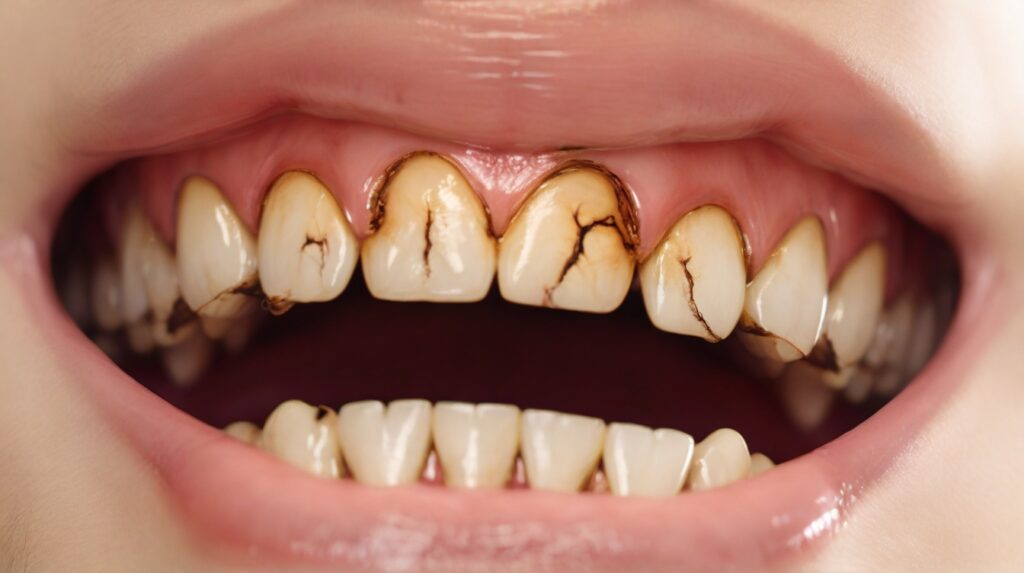
If you don’t want your teeth falling out, read this about cavities.
If you don’t want your teeth falling out, read this about cavities.
Let's chat about cavities, those sneaky little troublemakers that can wreak havoc on your smile. But hold onto your toothbrush because understanding them is like unlocking the secret code to dental bliss.
Picture this: it's a battleground in your mouth. Bacteria are throwing sugar-fueled parties, unleashing acids that nibble away at your enamel, creating those dreaded cavities.
But here's the twist: the real excitement? It's just around the corner. Throughout this journey, we'll peel back the layers to uncover the five stages of cavity formation, each one holding a key piece of the dental puzzle.
Now, how do you steer clear of this dental danger zone? Stick with me. I'm about to spill the beans on some insider tips to keep cavities at bay and your smile shining bright.
So get ready to embark on a dental adventure like no other. But here's the juicy part: stay tuned until the end, where we'll reveal the ultimate secrets to a radiant, resilient smile. Let's dive in and discover the secrets to a healthier, happier smile together.
What Causes Cavities?
Ever wondered why cavities sneak up on us despite our best efforts? It all starts with tooth decay, driven by sneaky bacteria camping out in dental plaque. But here's the kicker: there's more to this dental drama than meets the eye! Keep reading, because by the end of this article, you'll discover the ultimate secrets to keeping those pesky cavities at bay and flaunting a smile that dazzles for years to come.
Picture this: dental plaque, that sticky film on our teeth, turns into a bustling city for bacteria when we indulge in sugary treats. These little critters party hard, converting sugars into acids that launch an all-out assault on our enamel, the protective armor of our teeth. As the enamel loses its mineral fortress to these relentless acids, our teeth become vulnerable to the dreaded cavities.
Factors that contribute to the development of cavities include:
- Poor Oral Hygiene: Inadequate brushing and flossing allow plaque to build up on the teeth, increasing the risk of cavities.
- High Sugar and Starch Consumption: Foods and drinks high in sugars and starches provide fuel for bacteria in dental plaque, leading to increased acid production and enamel erosion.
- Frequent Snacking: Consuming sugary snacks or beverages throughout the day exposes the teeth to continuous acid attacks, promoting cavity formation.
- Sipping Sugary Drinks: Drinking sugary beverages, especially slowly or over extended periods, prolongs the exposure of the teeth to acids, contributing to enamel demineralization and cavity formation.
- Inadequate Fluoride Exposure: Fluoride is a mineral that helps strengthen enamel and protect teeth from decay. Insufficient fluoride intake or lack of exposure to fluoridated water can increase cavity risk.
- Dry Mouth: A reduction in saliva flow, often caused by factors such as certain medications, medical conditions, or mouth breathing, can contribute to cavity formation. Saliva plays a crucial role in neutralizing acids and remineralizing the enamel.
- Deep Tooth Grooves: Teeth with deep pits and fissures provide hiding places for plaque and bacteria, making them more susceptible to decay.
- Location of Teeth: Molars and premolars, with their complex surfaces and grooves, are more prone to cavities compared to smoother front teeth.
- Age: Both very young children and older adults are at higher risk of cavities. Young children may develop cavities due to prolonged exposure to sugary liquids in bottles or sippy cups, while older adults may experience cavities due to factors such as gum recession and reduced saliva production.
- Medical Conditions: Certain medical conditions, such as gastroesophageal reflux disease (GERD) and eating disorders like bulimia, can increase the risk of cavities due to factors such as acid reflux and frequent vomiting, which expose the teeth to stomach acid.
Understanding these causes and risk factors is essential for implementing preventive measures and maintaining good oral health. By addressing these factors through proper oral hygiene, dietary modifications, and regular dental care, individuals can reduce their susceptibility to cavities and preserve the health of their teeth.
The Stages of Cavities:
Ever wondered how those pesky cavities sneak into your smile? Understanding the stages of cavity development is your ticket to maintaining a sparkling grin. It not only arms you with the knowledge to stop cavities in their tracks but also holds the key to preventing major dental woes. But here's the kicker – the real treasure lies at the end of this journey. Stay tuned until the finale to uncover the ultimate secrets to a radiant smile. Trust me, you won't want to miss out on these game-changing tips to keep your pearly whites gleaming for years to come.
Stage 1: Initial Demineralization
- It all begins with the stealthy erosion of enamel, courtesy of acid-producing bacteria in dental plaque. Watch out for those telltale white spots signaling early demineralization. IMPORTANT: After this stage, the damage cannot be reversed, which is why regular checkups are just so important. We as dentists can prevent the following stages with early detection. But fear not! With diligent oral care and fluoride treatments, you can fortify your enamel and halt cavity formation in its tracks.
Stage 2: Enamel Decay
- As the assault on enamel persists, tiny cavities or pits may emerge on the tooth surface, sneaking under the radar initially. But don't be fooled! These stealthy invaders can trigger sensitivity or discomfort down the line. Swift action with dental fillings can patch up the damage and thwart further decay.
Stage 3: Dentin Decay
- The decay breaches the enamel fortress, infiltrating the dentin layer beneath. Your teeth start sending distress signals in the form of heightened sensitivity to temperature and sweets. It's time to call in reinforcements with prompt dental interventions like fillings to safeguard your precious pearly whites.
Stage 4: Pulp Damage
- Alas, the decay reaches the heart of the tooth, the pulp, unleashing a torrent of pain and inflammation. Your tooth rebels, and an abscess may loom on the horizon. But fear not, for root canal therapy rides in as the valiant hero, rescuing your tooth from the clutches of decay and offering respite from agony.
Stage 5: Abscess Formation
- The battle intensifies as the infection spills beyond the tooth's confines, spawning a dreaded abscess. Prepare for a showdown against excruciating pain, swelling, and the ominous presence of pus. But fear not, for timely dental intervention stands as your shield against further misery. With swift detection and treatment, you can thwart the advancement of cavities to this dire stage.
Armed with this knowledge, you hold the power to safeguard your smile and defy the tyranny of cavities. Let's embark on this journey together to ensure your smile radiates with confidence and vitality.
How to Prevent Cavities?
Understanding the enemy is vital, but knowing how to thwart its advances is paramount. Let's delve into the fortress of cavity prevention with strategies tailored to safeguard your precious smile.
Embrace Oral Vigilance:
Forge a daily ritual of brushing with fluoride toothpaste and flossing to banish plaque and food remnants, fortifying your defenses against decay. Here is the way you do that.
Tame the Sugar Temptation:
Rein in your intake of sugary indulgences, particularly between meals, to starve the acid-producing hordes and fortify your enamel against erosion.
Feast on Dental Delights:
Enrich your diet with tooth-friendly fare like fruits, veggies, dairy, and lean proteins, bolstering your oral army with vital nutrients and promoting enamel remineralization.
Hydrate for Dental Defense:
Quench your thirst with ample water, a natural ally in the battle against bacterial invaders, rinsing away debris and thwarting plaque formation.
March to the Dentist's Citadel:
Rally to the banner of regular dental visits, where vigilant sentinels stand ready to scout for early signs of decay, arming you with tailored strategies for oral triumph.
Harness the Power of Fluoride:
Consult with your dental sage on the benefits of fluoride treatments, a potent shield reinforcing your enamel's resilience against decay.
Limit Snacking and Sipping:
Constant snacking and sipping provide bacteria in your mouth with fuel to produce acids that harm tooth enamel. Reduce these habits to protect your teeth from acid attacks and maintain a healthy smile.
Banish the Tobacco Specter:
Exorcise the tobacco specter from your realm, vanquishing the scourge of gum disease, decay, and oral maladies.
Champion Consistent Check-ups:
Never falter in your quest for dental vigilance. Regular check-ups are your shield against the stealthy advance of cavities. Detecting decay in its infancy spares you the anguish of advanced afflictions, preserving your smile's luster and sparing you from the agony of extensive treatments.
By heeding this counsel and embracing the mantle of oral stewardship, you can forge a formidable defense against cavities, ensuring your smile remains a beacon of health and vitality. Remember, the path to enduring oral bliss begins with vigilant prevention.
Conclusion
In conclusion, understanding the stages of cavity development underscores the critical importance of preventive dental care. By recognizing the early signs of demineralization and decay, individuals can take proactive steps to protect their oral health.
Regular brushing with fluoride toothpaste, limiting sugary foods and drinks, and attending routine dental check-ups are essential preventive measures. Early detection allows dentists to intervene before cavities progress to more advanced stages, avoiding the pain and discomfort associated with dental decay.
By prioritizing preventive care, individuals can maintain healthy smiles and avoid the need for extensive dental treatments in the future.
Don't forget there is more to keeping your teeth white and healthy outside of cavities. Read more on our other posts.